Medical technologies are developing rapidly, and new treatment approaches are being introduced in leading clinics around the world. Stem cell therapy is one of the areas of modern medicine that has attracted significant scientific and clinical interest. But what are human stem cells, and what are they used for?
Stem cells are undifferentiated or partially differentiated cells that have the ability to self-renew and, depending on their type, develop into specialized cells. These properties make them important for normal tissue maintenance, repair, and regeneration and form the basis for their use in various areas of medicine.
The human body consists of many different types of specialized cells. During early development, cells divide and become increasingly specialized, giving rise to the tissues and organs of the body. Throughout life, certain populations of stem and progenitor cells continue to produce new cells and help maintain tissues.
The number and characteristics of stem cells in the human body change throughout life. Some stem cell populations are more abundant or active during early development, while others remain present in specific tissues throughout adulthood.
Types of Stem Cells
Stem cells can be classified according to their origin and stage of development. The main categories include embryonic, fetal, and postnatal (adult) stem cells.
Embryonic stem cells are derived from the early embryo and have the ability to differentiate into many different cell types. Their use is limited by ethical and regulatory considerations because obtaining these cells traditionally involves the destruction of an embryo.
Fetal stem cells are obtained from fetal tissues and have biological characteristics that differ from those of embryonic and adult stem cells. Their use is also subject to ethical and regulatory considerations.
Postnatal (adult) stem cells are found in the body after birth and throughout life. This broad group includes several subtypes, such as hematopoietic stem cells, stromal stem cells, and tissue-specific stem cells. They contribute to the maintenance and repair of tissues and to the production of certain specialized cells.
Umbilical cord blood is another important source of postnatal stem and progenitor cells. It is particularly rich in hematopoietic stem and progenitor cells, which can develop into different cells of the blood and immune systems. Cord blood cells are used in established treatments for certain blood and immune disorders and can be collected and stored for potential future medical use.
Stem Cells From Umbilical Cord Blood
Umbilical cord blood is an important source of hematopoietic stem and progenitor cells. After birth, blood can be collected from the umbilical cord and placenta using an established collection procedure. The collected biological material can then be processed and, where appropriate, stored in a specialized cell or stem cell bank.
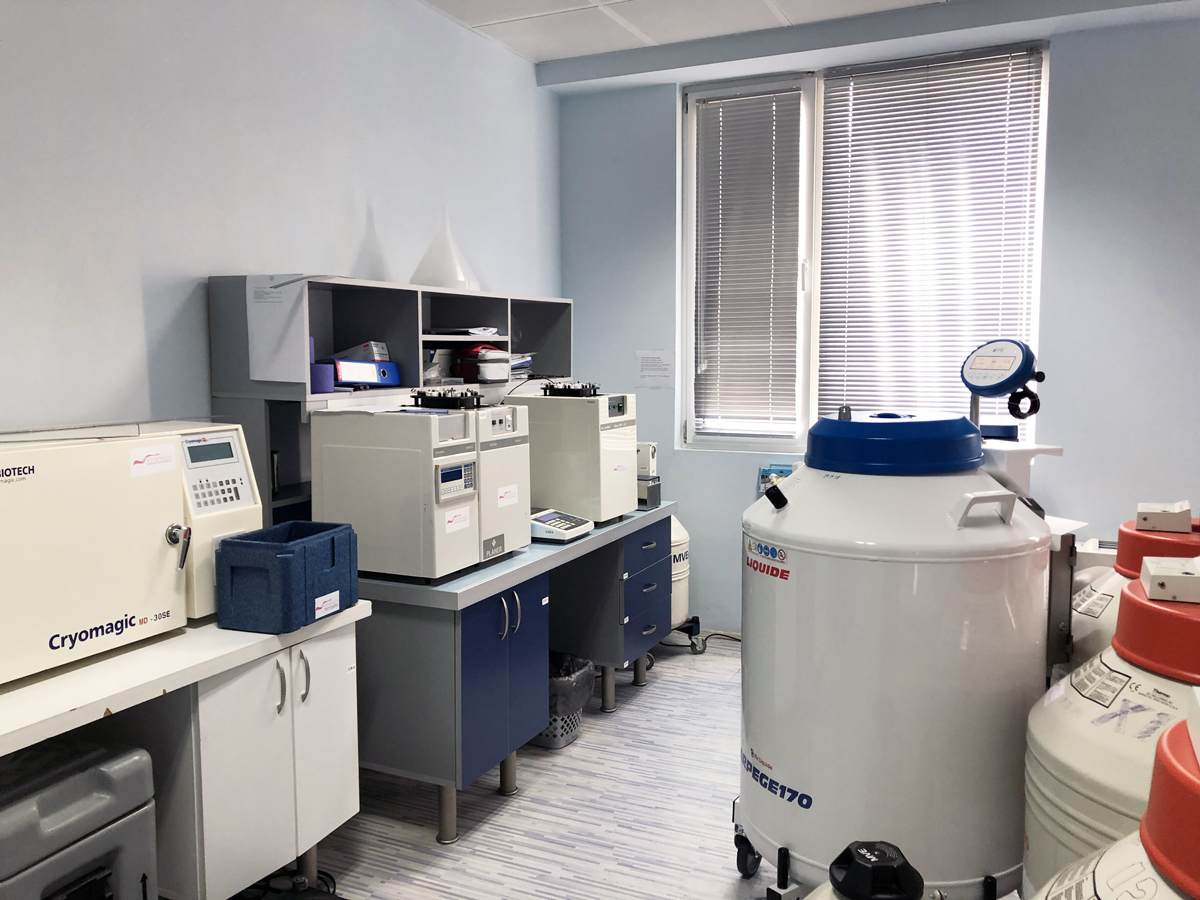
For long-term storage, cells are cryopreserved under controlled conditions, typically using liquid nitrogen or liquid-nitrogen-based storage systems. Proper cryopreservation allows the cells to remain viable for extended periods, although their quality and suitability for future use depend on the collection, processing, storage, and clinical requirements.
Stem Cell Therapy
Stem cell-based therapies are being investigated and used in different areas of medicine. Their potential is related to the ability of certain stem cells to produce specialized cells and, in some settings, to support tissue repair and other biological processes.
One of the best-established applications of hematopoietic stem cell transplantation is the treatment of certain blood and immune system disorders, including some leukemias and lymphomas. Other applications of stem cells and cell-based therapies continue to be studied in clinical research.
Stem cells and other cellular products may be collected and stored in specialized cryobanks in many countries. Umbilical cord blood, for example, can be collected after birth and preserved for potential future use.
Depending on the type of cells and the clinical situation, stored cells may potentially be used for the person from whom they were collected or, in appropriate cases, for another recipient.
The clinical effect of cell therapy depends on the type of cells used, the underlying condition, the treatment protocol, and individual patient factors. Results may vary, and the potential benefits and risks should be assessed on an individual basis.
Stem cell therapy is not a universal treatment for all diseases. Like any medical procedure, cell-based treatment may have indications, contraindications, limitations, and potential risks. Treatment should therefore be considered only after an appropriate medical evaluation and consultation with a qualified specialist.
At our clinic, autologous stem cells are used in selected treatment protocols. This means that the patient’s own cells are collected and used as part of the treatment approach, where clinically appropriate.
Stem cell therapy should be approached responsibly and based on an individualized medical assessment. Consultation with a specialist is essential before treatment.
How Does Stem Cell Therapy Work?
The mechanisms of stem cell-based therapy depend on the type of cells and the condition being treated.
Some stem cells can self-renew and differentiate into specialized cells. In addition, certain cell populations may release biological signals and interact with surrounding tissues, potentially supporting tissue repair and other regenerative processes.
When cells are administered to a patient, their effects may depend on how they interact with the body’s existing cells and tissues. The exact mechanisms are an active area of scientific research and can differ substantially between different types of cell therapy.
Where Can Stem Cell Treatment Be Provided?
Stem cells and other cellular materials can be stored in specialized cryobanks in different countries. Medical centres with appropriate facilities and expertise may use cell-based therapies as part of selected treatment protocols.
Mardaleishvili Medical Centre is located in Tbilisi, the capital of Georgia, and provides medical services involving cell therapy technologies.
The centre conducts scientific and clinical research in collaboration with medical institutions and specialists from different countries, with a focus on the potential applications of stem cells and other cell-based approaches in medicine.
The range of conditions for which cell-based therapies are being investigated continues to expand. However, the availability, effectiveness, and clinical indications of a particular treatment depend on the type of cells, the patient’s condition, and the available scientific and clinical evidence.
For more information about stem cell therapy and available treatment options at Mardaleishvili Medical Centre, please contact our specialists.